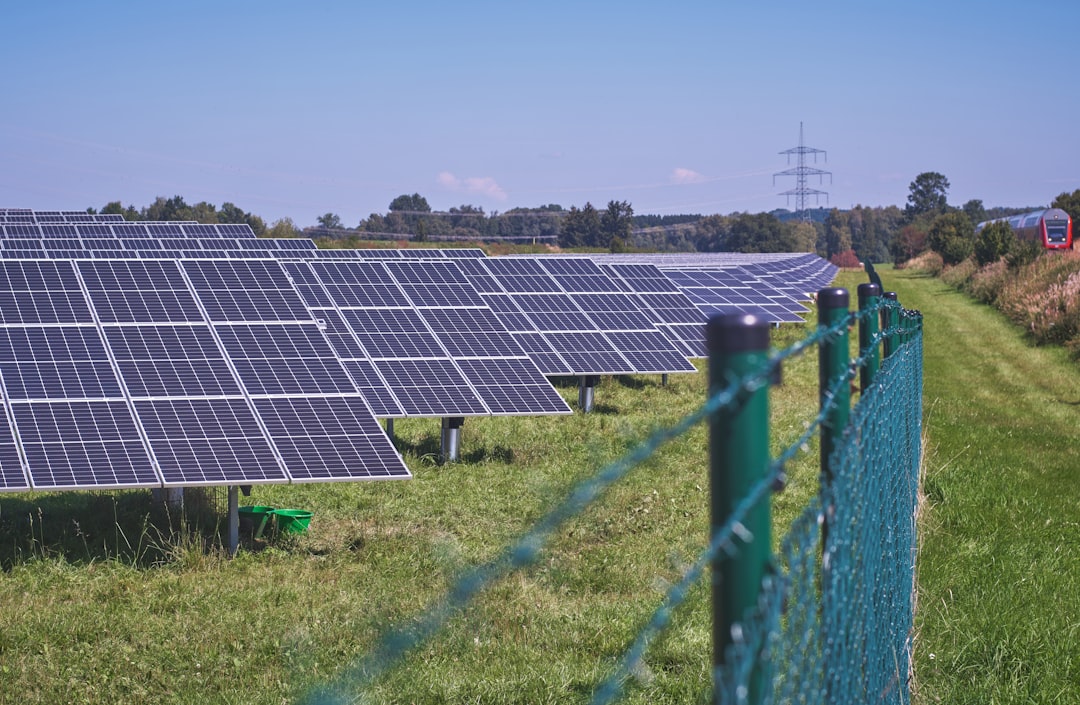
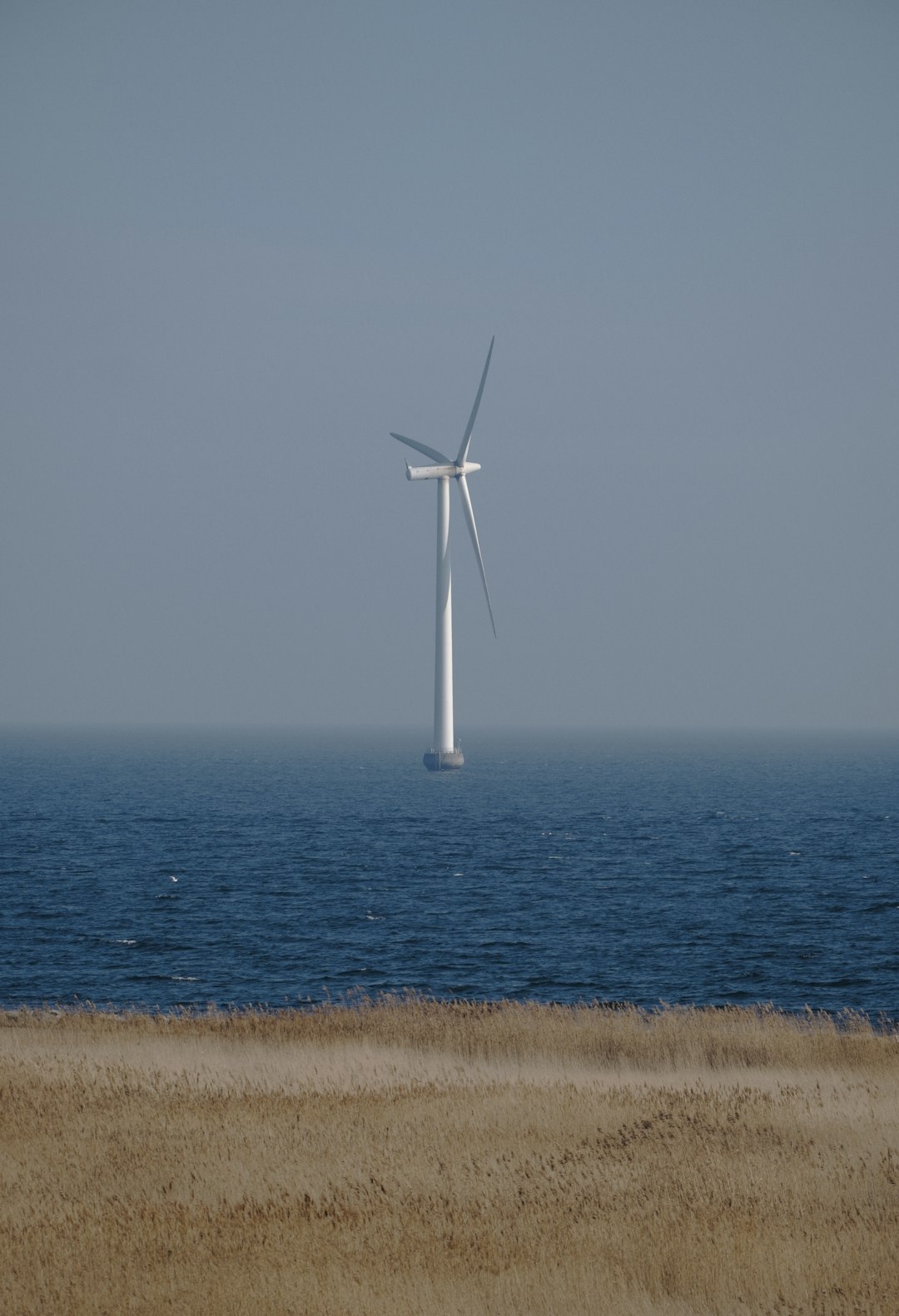
Stay updated with the latest trends and opportunities in Poland's renewable energy market
May 15, 2024By Anna Nowak
Poland's Energy Transition: Investment Outlook for 2024
The Polish renewable energy market is experiencing unprecedented growth as the country moves away from its traditional coal-based energy infrastructure. With ambitious targets set for 2030, Poland is rapidly becoming one of Europe's most attractive markets for green energy investments.
Recent regulatory changes have created a more favorable environment for investors, particularly in the wind and solar sectors. The Renewable Energy Act amendments passed in late 2023 have simplified permitting processes and introduced more attractive feed-in tariffs, making project development more streamlined and financially viable.
Foreign direct investment in Polish renewable energy reached a record €4.7 billion in 2023, with projections suggesting this figure could exceed €6 billion by the end of 2024. The majority of these investments are flowing into utility-scale wind and solar projects, though there is growing interest in emerging sectors like energy storage and green hydrogen production.
For investors looking to enter the Polish market, understanding the regional variations in resource availability and grid capacity is crucial. Western Poland offers excellent wind resources, while the southern regions provide optimal conditions for solar deployment. Meanwhile, biomass opportunities are strongest in the agricultural regions of central and eastern Poland.
As Poland continues its energy transition, early investors stand to benefit from first-mover advantages in what promises to be one of Europe's most dynamic green energy markets in the coming decade.
April 3, 2024By Piotr Kowalski
Baltic Sea Offshore Wind: Poland's New Frontier
Poland is making significant strides in developing its offshore wind capacity in the Baltic Sea, positioning itself as a future leader in this rapidly growing sector. With over 100 GW of technical potential in Polish waters, offshore wind represents one of the most promising avenues for large-scale renewable energy development in the country.
The Polish government has recently finalized its Offshore Wind Act, providing a clear regulatory framework that aims to install 5.9 GW of offshore capacity by 2030 and up to 11 GW by 2040. This legislative clarity has already attracted major international developers and investors who are seeking to establish early positions in this emerging market.
Current projects under development include the 1.2 GW Baltic Power project (a joint venture between PKN Orlen and Northland Power) and the 1.5 GW Bałtyk Offshore Wind Farm being developed by PGE and Ørsted. These projects represent just the first wave of development, with additional lease areas expected to be auctioned in late 2024.
For investors, the Polish offshore wind sector offers several compelling advantages. The Baltic Sea provides stable, high wind speeds with relatively shallow waters, reducing construction costs compared to some other European markets. Additionally, the Polish government has established a contract-for-difference (CfD) support scheme that provides revenue certainty for 25 years, significantly reducing market risks.
While offshore wind projects require substantial capital investment, the scale of these developments and the long-term contracted revenue streams make them particularly attractive to institutional investors and energy companies looking to make significant commitments to the European energy transition.
March 12, 2024By Magdalena Wrona
EU Green Deal Funding for Polish Energy Projects
The European Union's Green Deal and associated funding mechanisms represent a significant opportunity for renewable energy developers and investors in Poland. With Poland being one of the largest beneficiaries of EU transition funds, understanding how to access and leverage these resources is crucial for maximizing project returns and accelerating deployment.
The Just Transition Fund (JTF) has allocated €3.85 billion specifically to support Poland's coal regions in transitioning to cleaner energy alternatives. These funds are targeted at regions like Silesia, Lower Silesia, Greater Poland, and Łódź, where coal mining and coal-powered electricity generation have historically dominated the economy.
Additionally, Poland will receive approximately €28.6 billion in grants and €34.2 billion in loans from the Recovery and Resilience Facility (RRF), with at least 37% earmarked for climate-related investments. This creates substantial funding opportunities for renewable energy projects, energy efficiency initiatives, and grid modernization efforts.
For project developers, accessing these funds typically requires partnership with local municipalities or regional authorities, particularly for JTF funding. Creating projects that address both energy transition needs and economic development goals for former coal regions can significantly increase the likelihood of securing support.
The application processes for different EU funding streams vary considerably, with some managed directly by the European Commission while others are administered through national or regional agencies in Poland. Developing relationships with these implementing bodies and understanding their specific priorities and evaluation criteria is essential for success.
February 25, 2024By Tomasz Adamski
Energy Storage Systems: The Missing Piece in Poland's Energy Puzzle
As Poland's renewable energy capacity continues to grow rapidly, energy storage systems (ESS) are emerging as a critical investment sector that will enable further integration of intermittent resources like wind and solar. The Polish energy storage market is in its early stages but is expected to experience exponential growth over the next decade.
Recent regulatory changes have created a more favorable environment for storage investments. The Energy Law amendments introduced in 2023 officially recognized energy storage as a distinct asset class and removed the double charging of network fees that previously hindered profitability. Additionally, the Polish transmission system operator (PSE) has begun allowing storage systems to participate in ancillary services markets, creating new revenue streams for these assets.
Current market projections suggest Poland will need to deploy approximately 2.5 GW of energy storage capacity by 2030 to support its renewable energy targets. This represents an investment opportunity of around €2 billion over the next six years, with both utility-scale and behind-the-meter applications showing strong potential.
For investors, the most attractive initial opportunities are in large-scale battery storage systems co-located with renewable energy projects. These hybrid configurations can take advantage of existing grid connections while providing developers with the ability to optimize energy delivery and capture higher market prices.
As the market matures, standalone storage projects focused on providing grid services are expected to become increasingly viable, particularly in regions with high renewable energy penetration and grid congestion challenges.
January 18, 2024By Karolina Majewska
Green Hydrogen: Poland's Emerging Opportunity
Poland is positioning itself as a potential hub for green hydrogen production in Central Europe, with several strategic advantages that make it an attractive location for early investments in this emerging sector. The country's growing renewable energy capacity, strong industrial base, and central location in European transport networks create favorable conditions for developing a hydrogen economy.
The Polish Hydrogen Strategy, adopted in November 2023, sets ambitious targets for developing 2 GW of electrolysis capacity by 2030 and establishing a comprehensive hydrogen infrastructure network. To support these goals, the government has introduced a dedicated support scheme with €800 million allocated for hydrogen projects through 2027.
Initial investment opportunities are concentrated in industrial applications, particularly in sectors with difficult-to-abate emissions such as chemicals, steel, and heavy transport. Companies like PKN Orlen and ZE PAK have already announced major green hydrogen projects linked to their decarbonization strategies.
For international investors, joint ventures with established Polish industrial players offer the most promising entry point into this market. These partnerships can leverage existing infrastructure and customer relationships while bringing in specialized hydrogen technology and project development expertise.
While green hydrogen projects face current challenges related to high production costs and evolving regulatory frameworks, early movers will benefit from priority access to limited grid connection capacity and support funding. As production scales and technology costs decline, Poland's strategic position and industrial demand create long-term growth potential in this sector.
Get Market Insights Delivered
Subscribe to our newsletter for the latest insights on green energy investments in Poland
We use cookies to improve your experience on our website. By browsing this website, you agree to our use of cookies.